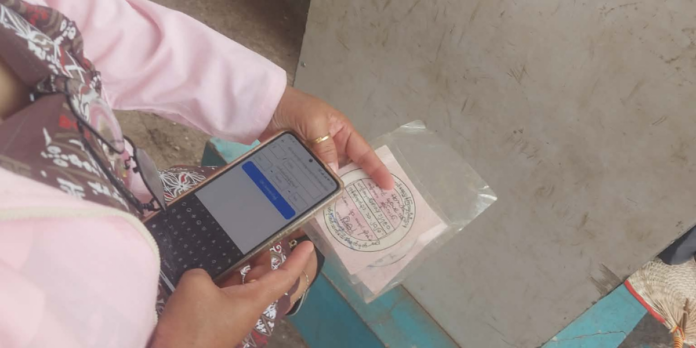
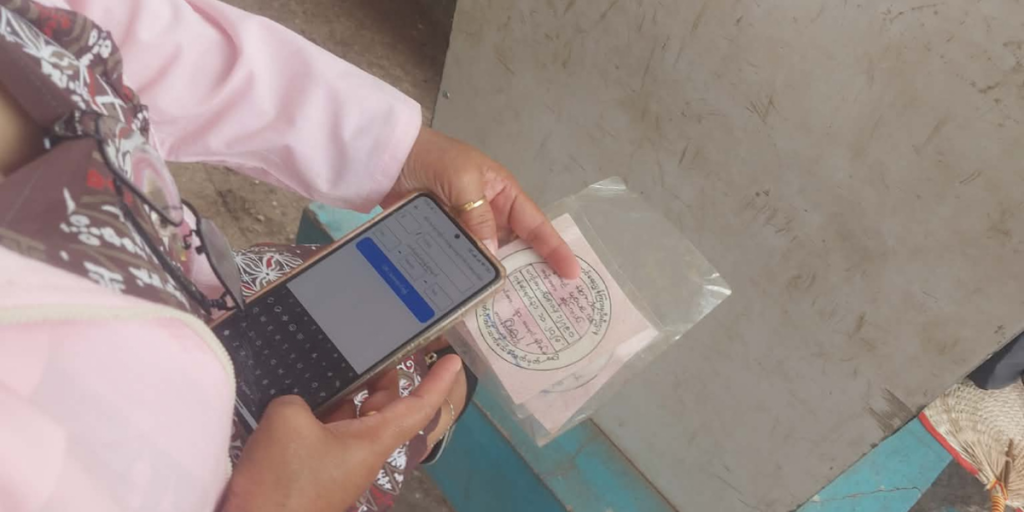
Mon State authorities have announced a new fuel distribution system using QR codes, under which motorcycles are allowed to purchase up to 8 liters of fuel per week based on vehicle type and engine capacity.
According to the announcement released on April 22, different quotas have been set for various vehicles. Motorcycles are limited to 8 liters per week, three-wheeled vehicles to 25 liters, and tricycles to 30 liters. Private cars, taxis, and cargo vehicles are assigned fuel quotas depending on engine capacity.
Fuel stations in Mon State have begun selling fuel under the new system using QR codes starting today.
Local residents say fuel access has become easier compared to the period before the Thingyan holidays, when shortages and long queues were common. However, fuel prices remain high.
“Buying fuel is not as difficult as before. There is no need to queue like earlier. You can get what you need, but prices are still very high. One liter costs around 12,000 to 15,000 kyat,” said a female resident from Ye Township.
Although availability has improved, residents say fuel prices continue to rise sharply.
At present, market prices are around 5,300 kyat per liter for Octane 92, 5,500 kyat for Octane 95, and over 8,000 kyat per liter for diesel. Some fuel stations are also reported to be selling at higher unofficial “black market” rates.
A resident from Thaton Township said there is a clear gap between official and actual selling prices, with differences reaching tens of thousands of kyat depending on where fuel is purchased.
“Some stations sell at the official price if you queue. If you don’t want to wait, they sell at higher market prices. Even in the same station, prices depend on timing. Morning and afternoon prices are not the same,” he said.
On April 18, the Mon State Chief Minister U Aung Win Than, newly appointed by the State Administration Council, visited the Puma Power International Port Terminal (PPIPT) in Katonepae Village, Mudon Township, where officials instructed that fuel should be distributed using QR codes.
The Mon State Oil and Petroleum Products Supervisory Subcommittee under the State Administration Council has been repeatedly ordering fuel stations to sell fuel at official prices and to operate legally. Authorities have also carried out arrests against illegal fuel sellers.
However, illegal fuel markets continue to operate on the ground. Some local ward and village administrators are also reportedly involved in joint business arrangements linked to the fuel trade.