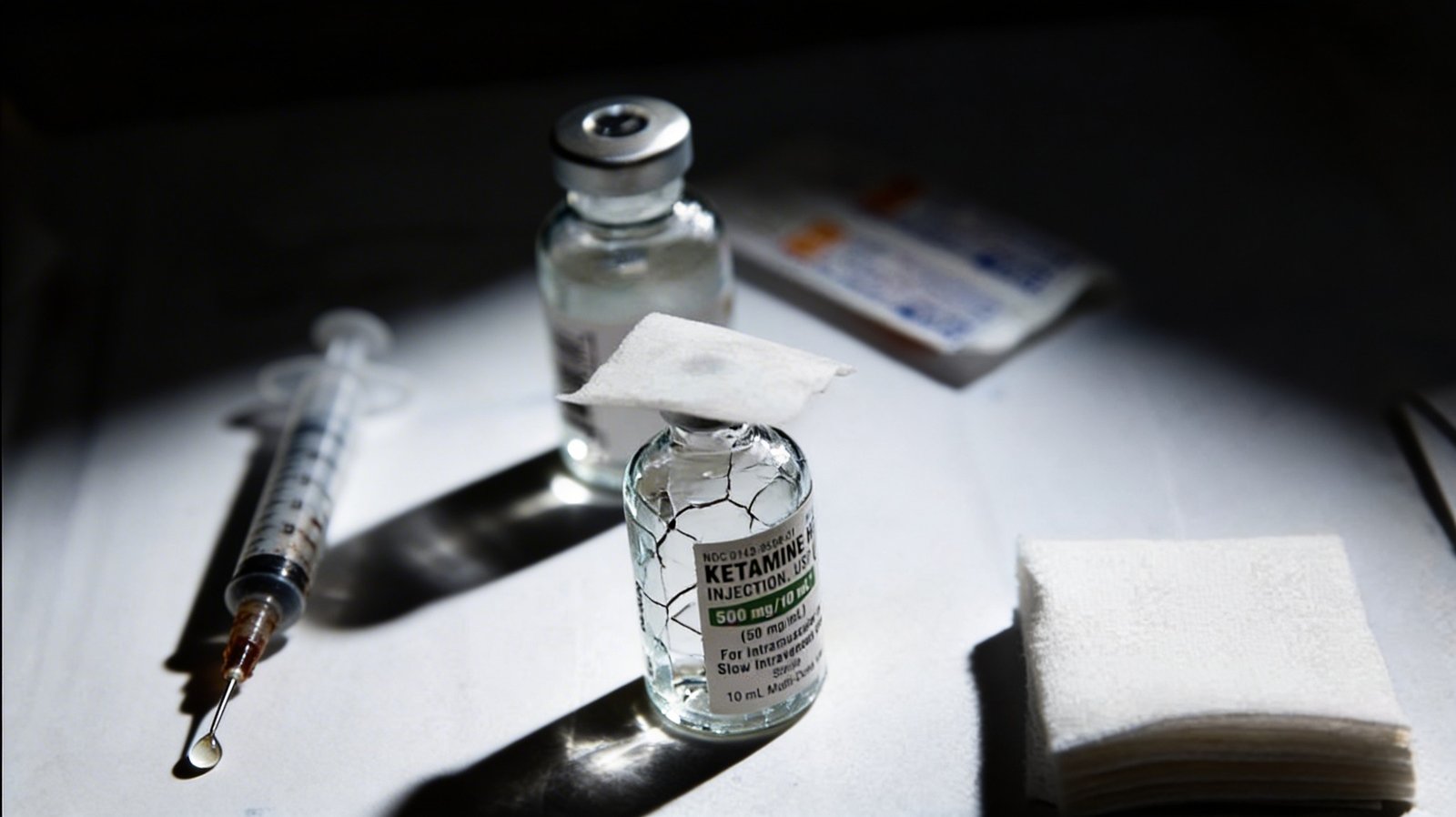
Robberies involving so-called knockout drugs have risen noticeably since the military coup.
On March 5th, in Ye Township, Mon State, a retired, female teacher was walking home from the market when an unidentified man on a motorcycle approached her and touched her hand. She immediately lost consciousness and, upon regaining awareness, discovered that her purse had been stolen.
A similar incident occurred in Bilu Kyun, where a man reported that a female acquaintance used a knockout substance on him before stealing his phone and wallet.
“When it happened to me, I was sitting in a park talking with someone I knew. That person wiped my face with what seemed like a white cloth three times. I clearly remember that. But after that, I don’t remember anything. When I regained consciousness, my iPhone 16 Pro Max and wallet were gone,” the victim recounted.
According to data collected by IMNA, there have been at least 10 such robbery cases involving knockout drugs in Mon State between 2023 and 2026, following the military coup.
The threat posed by knockout drugs is immediate and severe—public safety and health are at grave and growing risk.
These so-called knockout drugs refer to substances capable of quickly affecting a person’s mind and body, temporarily impairing their awareness and control.
“In simple terms, these are drugs that, when you come into contact with them, can make you feel dazed and cause temporary loss of consciousness. Victims often cannot remember what happened between the time they were drugged and when the effects wore off. They may feel nauseous, experience a rapid heartbeat, and muscle weakness. Criminals exploit these effects to commit robbery, child abduction, and sexual exploitation, making them extremely dangerous,” said a doctor from Mon State.
Substances reportedly used as knockout drugs include Ketamine, Nitrous Oxide, MXE, and Salvia.
Frequent exposure to such drugs can directly damage the brain, leading to memory loss and hallucinations, the doctor added.
Symptoms of being drugged may include dizziness, confusion, memory impairment, and reduced self-control. These incidents often occur in crowded places such as parks, markets, bus stations, and train stations.
Victims may be exposed through inhaling substances while talking to someone, being unknowingly touched with drug-laced materials, or consuming contaminated food and drinks.
“In the medical field, drugs like Ketamine—often suspected to be used as knockout drugs—are classified as controlled substances and are legally restricted. Doctors use them as anesthetics during surgeries to induce unconsciousness or prevent pain. They are not easily available in pharmacies and are strictly regulated. However, it remains unclear how criminals obtain them,” another doctor explained.
To avoid becoming victims, people must exercise extreme caution around strangers and urgently report any suspicious situation to authorities without delay.
Although these drugs are officially classified as controlled substances due to their harmful side effects, questions remain about how criminals continue to access and misuse them.
Amid rising crime rates and a weak rule of law during the post-coup period, the public is urged to remain vigilant and not underestimate the dangers posed by these “knockout drugs.”