Following the military takeover, the role of ethnic political parties in Myanmar’s shifting political landscape has faced significant challenges. Among them, the Mon Unity Party (MUP), which has cooperated with the military administration, is confronting criticism, scrutiny, and political obstacles. The party’s position is precarious not only within the military-influenced government but also in terms of representing the political leadership of the entire Mon community.
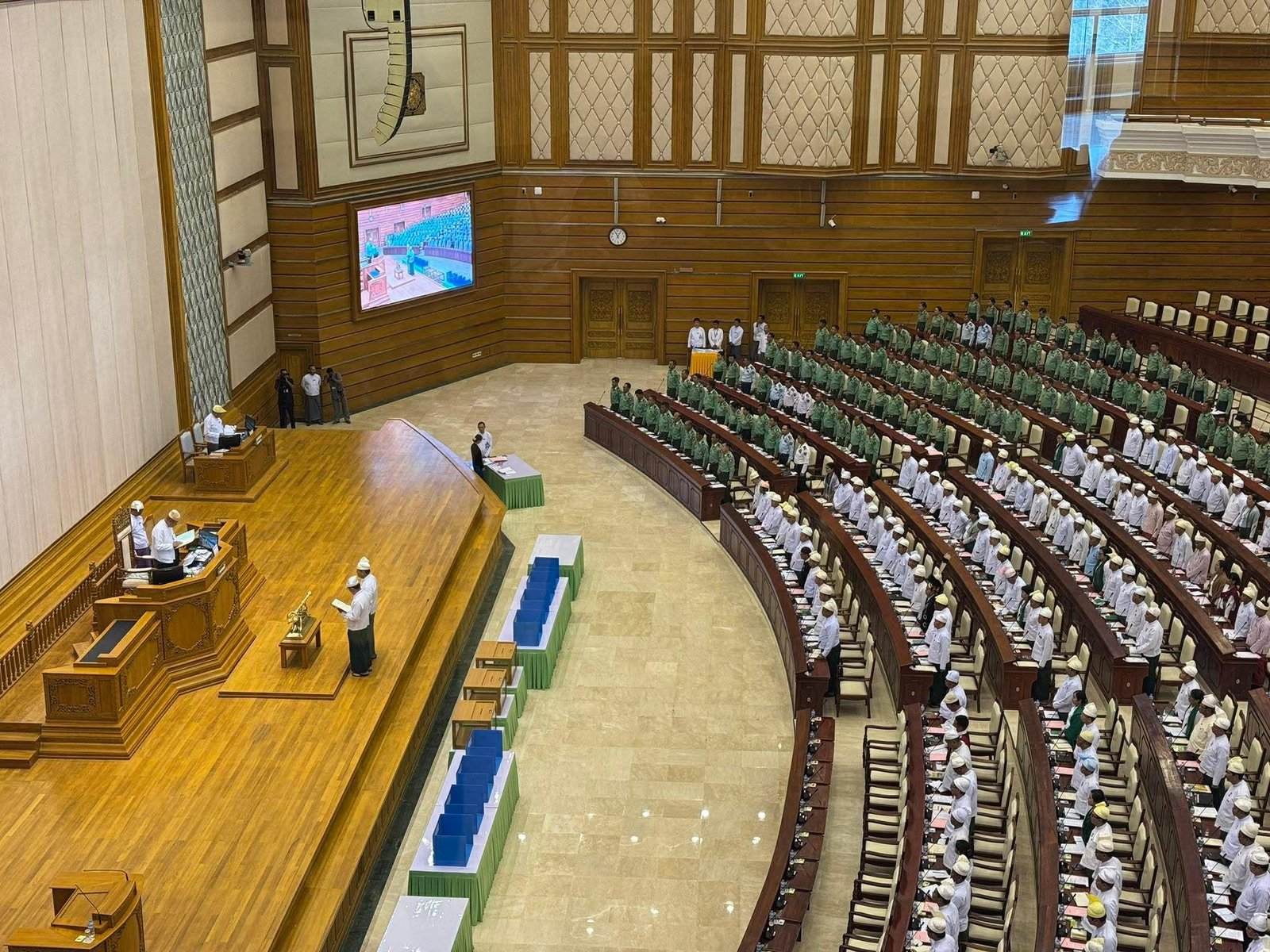
In elections held under the military junta, the MUP achieved considerable success. At the state level, it emerged as the party with the highest votes following the military-backed Union Solidarity and Development Party.
The elections were conducted using both First-Past-The-Post (FPTP) and proportional representation (PR) systems. The MUP won a total of 17 seats: 10 at the union level and 7 at the state level.
Based on these results, the MUP has a strong chance of securing positions in the upcoming government, potentially including some ministerial posts at the state level and deputy minister positions at the central level.
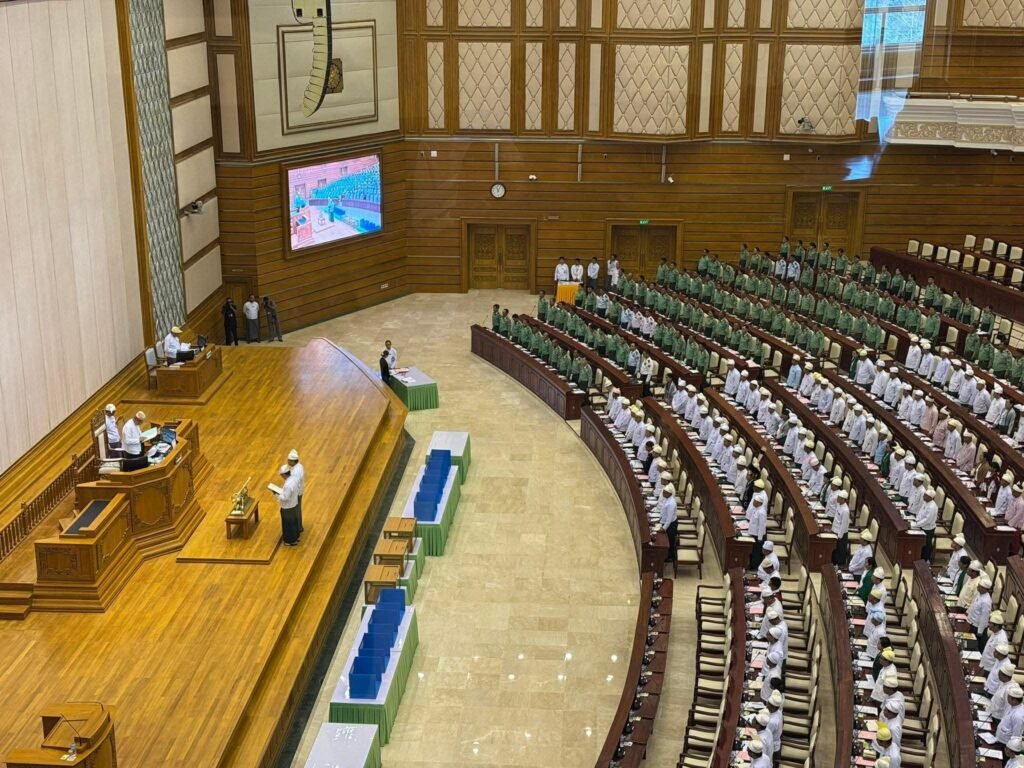
Politically, the military may seek to include major ethnic parties like the MUP in its administration to demonstrate ethnic representation under its rule. Historically, MUP representatives have participated in military-led governance structures, suggesting a likelihood that they will be given positions in the new administration as well.
Currently, the MUP’s political maneuvering is extremely limited, both politically and militarily. While it once had influence across Mon State and in adjacent areas of Tanintharyi, Kayin State, and other Mon-majority regions, cooperation with the military has constrained its activity—especially in the northern Mon State conflict zones such as Bilin, Thaton, Kyaikto, southern Ye Township, Thanphyuzayat, and the eastern Kyaikmaraw-Kayin border area.
The party can now operate freely only in urban areas under full military control, such as Mawlamyine, Mudon, and Chaungzone. This restricts the MUP to being primarily an urban-based party and limits its connection with rural Mon communities.
Because it cooperates with the military, public trust in the MUP has declined. Even if it secures positions in the new government, its legitimacy and credibility with the Mon population may suffer, posing long-term political risks.
The military is implementing several major projects in Mon State that carry both political and economic significance. Near Kopran village in Mudon Township, roughly 4,700 acres are being developed for an international airport and port project between Blaung Nyaung and Wakali villages. In Naing Hlone village, over 360 acres are being developed for an industrial zone.
The military has forcibly acquired land, compensating locals minimally, causing fear among villagers who rely on these lands for their livelihoods. Locals are unable to openly oppose the projects for fear of arrest or persecution.
Another controversial project is the cement factory in Chaungzone Township, where land seizures have also occurred despite local opposition. Residents fear negative environmental and economic impacts, similar to past projects such as the Andin cement factory and the MCL brick factory, yet military administration prevents public protest.
For the MUP, these projects represent both opportunities and challenges. If the party participates in the new government, it may be tasked with managing these initiatives. How the MUP handles these projects will have political implications, affecting both its credibility and ability to protect local interests.
Under the military-influenced government, the MUP may gain certain positions and opportunities. However, the party’s long-term success will depend not only on its government posts but also on its ability to rebuild trust with the Mon population and genuinely safeguard their political and economic interests. Party leaders must carefully consider whether their roles serve the community’s aspirations for autonomy and peace, or whether their positions will simply remain nominal titles without meaningful impact.