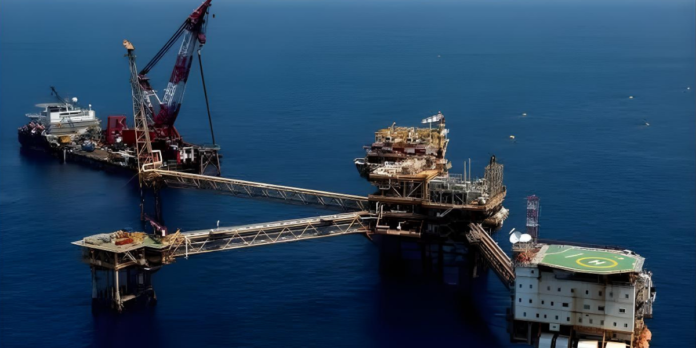
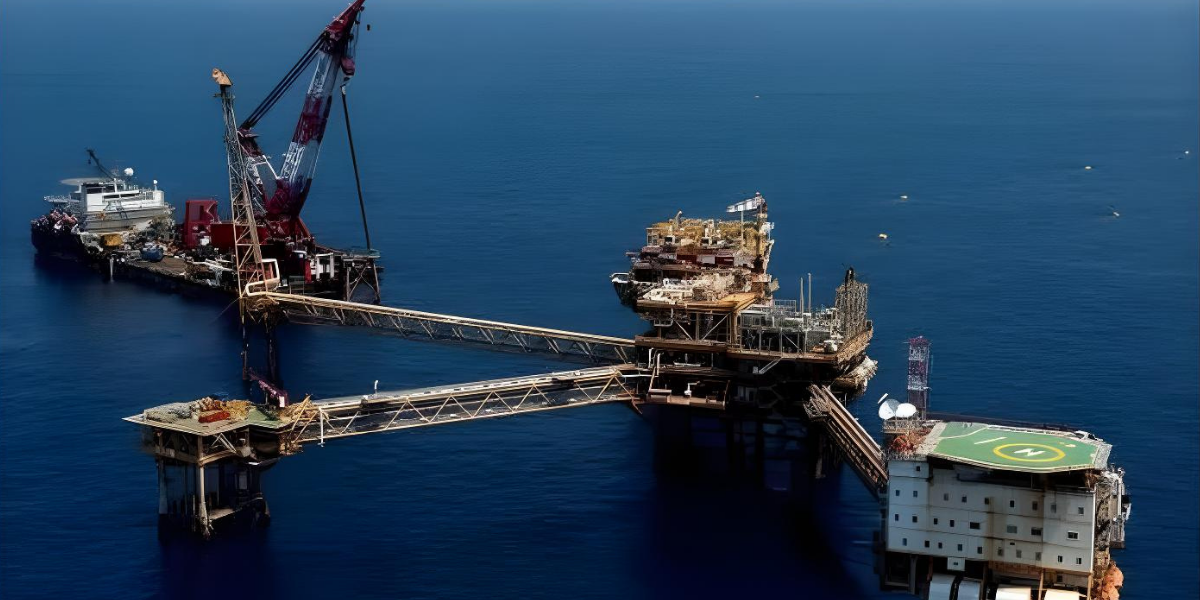
Thailand’s state-owned oil and energy company, PTT Exploration and Production (PTTEP), has been holding frequent discussions with Myanmar’s post-coup military government regarding increased investment in offshore oil and natural gas production in the coming years.
According to official statements, PTTEP’s Chief Executive Officer (CEO) visited Naypyidaw on May 8th to discuss plans to drill new wells in existing offshore gas blocks, as well as a new exploration block in the Gulf of Martaban.
PTTEP currently holds shares in Myanmar’s Yetagun, Yadana, and Zawtika offshore gas projects. Around two-thirds of the natural gas produced from these projects is exported to Thailand.
However, following the military coup, the United States, Europe, and other international governments imposed sanctions on the Myanmar Oil and Gas Enterprise (MOGE), warning against dollar-based financial transactions, payments, and investments involving the company.
As a result, PTTEP has faced difficulties dealing with MOGE. In April 2026, Myanmar’s military-controlled central bank allowed direct investment and payments in Thai baht within Myanmar, effectively helping investors bypass sanctions.
An economic analyst explained: “Thailand and China are currently the largest investors in Myanmar’s offshore sector, and Thailand is arguably the biggest at the moment. But because Myanmar is under sanctions, it has become very difficult for Thailand to pay for gas purchases from the military regime in US dollars. They have been relying on intermediary banks in third countries for transfers. Now that Myanmar has allowed direct payments in Thai baht, payments can be made directly without converting to dollars. That is one reason Thailand is planning to invest in additional wells. Existing projects like Yetagun are also seeing significant production declines, and some fields may expire within the next ten years.”
Thai media outlet, The Nation reported that these offshore projects were discussed during the recent visit to Naypyidaw by Thailand’s Deputy Prime Minister following former junta chief, Senior General Min Aung Hlaing assuming the presidency.
PTTEP is also attempting to launch the Aung Sinkha offshore project in the Gulf of Martaban by 2028, with an estimated investment of around US$2 billion. Although the company obtained exploration rights in 2020, projects planned after the coup—including a 600-megawatt gas-fired power plant in Kyaiklat and a pipeline to Hlaing Tharyar—were suspended.
In offshore Block M-3, located off the coast of Myanmar’s Ayeyarwady Region, PTTEP originally held an 80 percent stake and served as operator, while Japan’s Mitsui Oil Exploration Co., Ltd. held the remaining 20 percent.
After the Japanese company withdrew from the project in September 2021, PTTEP became the sole investor.
These Thai-backed offshore projects are considered one of the Myanmar military’s main sources of foreign currency income, generating billions of US dollars annually for the regime.
A spokesperson from the advocacy group Blood Money Campaign stated: “Because of sanctions, there are limits on international investments that rely on US dollars or euros. Sanctions have also made it difficult to conduct trade, purchase weapons and aviation fuel, and carry out international banking transactions using those currencies. As a result, Myanmar’s military regime has increasingly relied on Thai baht and Chinese yuan to bypass sanctions.”
Since the coup, public protests in Myanmar have repeatedly called on PTTEP to suspend its investments in the country.
Those campaigns contributed to the withdrawal of American, French, Malaysian, Japanese, and Australian companies that had previously invested in Myanmar’s offshore projects.
Now, the Thai government appears to be engaging more openly with Myanmar’s military authorities while simultaneously expanding its investments in the country.