In modern society, cosmetic clinics are no longer exclusive to elites. While countries such as China, Korea, Japan, and Thailand have been popularizing them for decades, cosmetic clinics are now rapidly emerging in Myanmar as well.
Many clinics in Myanmar are licensed and compliant. However, many unlicensed clinics perform invasive procedures.
From facial surgeries, thread lifts, and skin whitening treatments to even procedures on sexual organs, cosmetic clinics are increasingly performing high-risk surgeries, prompting doctors to issue warnings.
Dr. Aung Sein, a general physician, said: “Surgery is extremely serious. Surgical instruments must be sterilized, and the operating room itself must be sterile. When procedures are done in hotels or ordinary clinics without proper sterilization, the risk of infection rises significantly. This is highly dangerous.”
Medications used in these clinics often lack clear FDA certification, raising safety concerns.
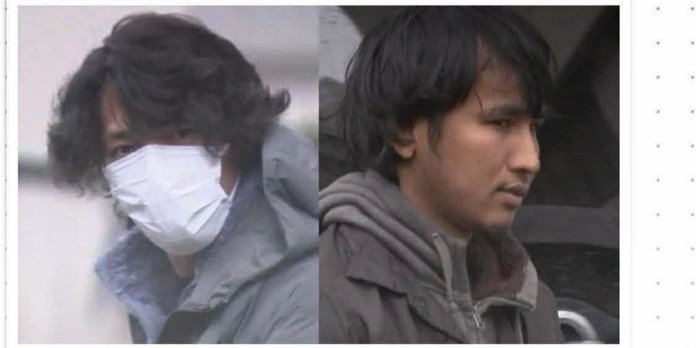
Recently, two Myanmar nationals were arrested in Japan for performing cosmetic medical procedures without a license. These two individuals frequently traveled between Japan and Myanmar, where they also ran cosmetic clinics.
Dr. Htein, a CDM physician, stated: “We started noticing this problem around 2023. Cosmetic clinics began appearing, some operated by people who are not real doctors. They bring specialized machines from abroad but don’t fully understand medical procedures. Some arrange procedures online, in hotels, or in other informal settings. This situation is damaging both public health and regulatory standards.”
In December 2024, a 27-year-old woman in Yangon’s Thaketa Township died after undergoing a liposuction procedure at a cosmetic clinic. The clinic attempted to cover up the death, but authorities later uncovered the case.
Dr. Aung Sein added, “There are many risks. It’s unclear where the medicines come from, how reliable they are, or how thoroughly they’ve been tested. Even anesthesia is not something everyone can safely administer—only trained doctors know how.”
Complications from these clinics have included inability to close the eyes properly, facial swelling, and numerous other issues. Some clinic owners even conduct training courses, further spreading risky practices.
On February 18th, the military amended private healthcare laws, specifying in Article 31 that anyone performing unlicensed surgical procedures on private patients could face one to five years in prison and additional fines.
Doctors urge the public to verify clinic licenses, confirm practitioner qualifications, and report suspected illegal practices to authorities in order to help protect public health.