Editorial
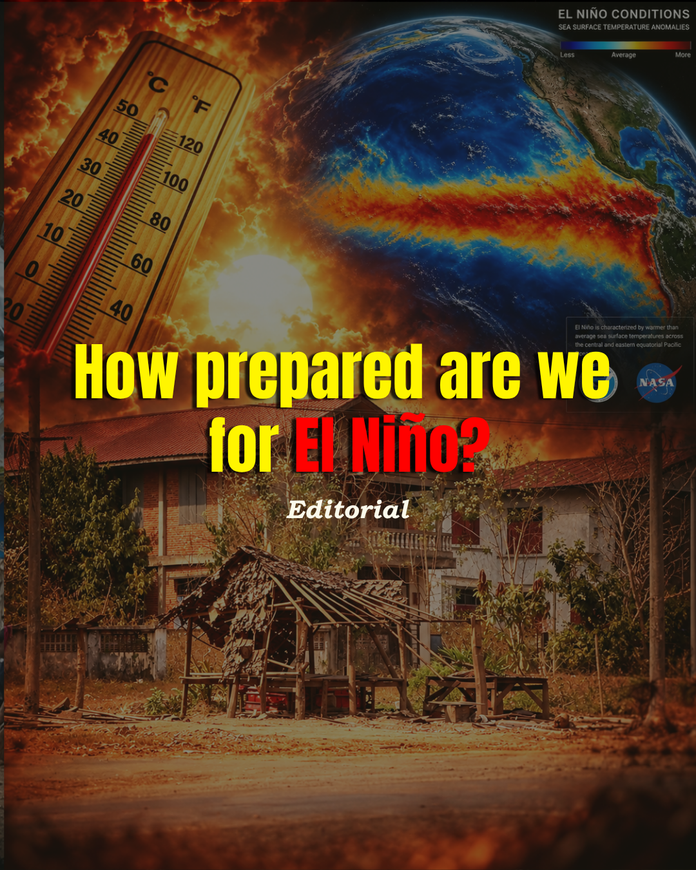
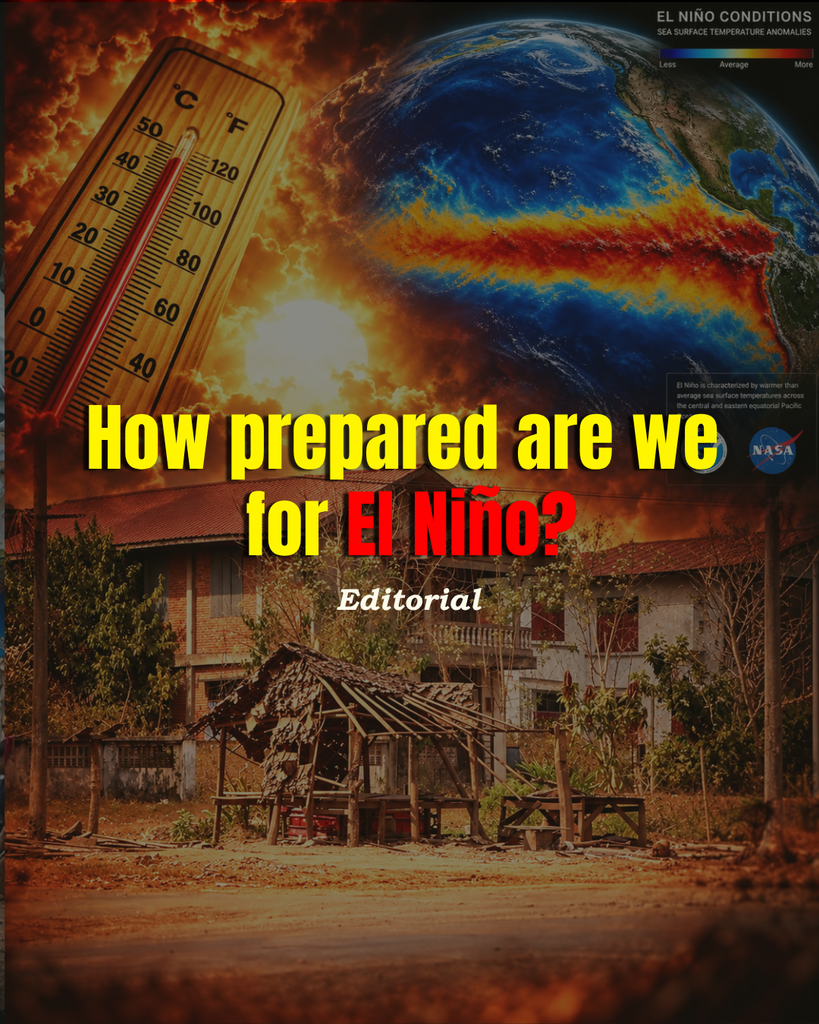
El Niño, a climate phenomenon that can affect global weather patterns, is currently strengthening. The World Meteorological Organization (WMO) forecasts that it could reach an extremely strong level by the end of 2026 and persist until February 2027. El Niño could peak around December, significantly altering temperatures and rainfall patterns.
In its September statement, the WMO also indicated that there was nearly a 100% chance El Niño would persist until February 2027 and that the phenomenon could intensify into an extremely strong event. Its effects could include changes in regional rainfall patterns, rising temperatures, drought and other extreme weather events.
Myanmar’s Department of Meteorology and Hydrology has also warned that El Niño conditions have reached an extremely strong level. It cautioned that irregular rainfall, higher daytime temperatures, drought and other extreme weather events could occur, urging relevant sectors to take preventive measures and prepare in advance.
These warnings are more than just weather and climate news. They are important alerts that directly concern people’s lives, particularly their access to water and food, agricultural production and basic living conditions.
Changes in rainfall patterns caused by El Niño could lead to water shortages or excessive rainfall. Water shortages could harm agricultural production and reduce crop yields. This, in turn, could drive up food prices and place an even heavier burden on low-income households.
The effects of El Niño should not be underestimated, especially in areas such as Mon State, where many people depend on agriculture, rubber production and other weather-dependent livelihoods. Unpredictable weather can affect everything from individuals’ daily lives to the regional economy.
Low-income families, rural communities facing water shortages, people who depend on farming and communities with inadequate infrastructure are likely to be more vulnerable to climate-related disasters. El Niño must therefore be viewed not merely as a weather issue but as a serious threat directly linked to people’s social and economic well-being.
Authorities need to prepare now to reduce the potential losses and hardship caused by climate-related disasters. Preparations should include water storage, access to drinking water, management of water resources for agriculture, early warnings for farmers and emergency assistance plans when needed.
Waiting until El Niño arrives to search for water, until crops are damaged to provide assistance, or until food prices rise to take action is less effective than anticipating the risks and preparing in advance. Rather than simply monitoring El Niño, practical measures must be taken now to protect people’s access to water and food and safeguard their livelihoods.
Natural climate phenomena cannot be prevented, but advance action can reduce the damage and losses they may cause. Monitoring the risks of El Niño and issuing warnings are no longer enough. The key question is what practical measures have been prepared to protect people’s water and food supplies and livelihoods, and how far those preparations have progressed.