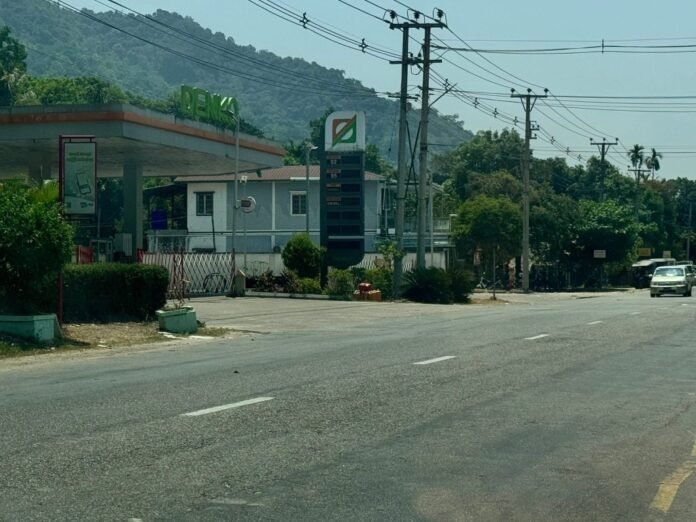
Large urban fuel stations in Mon State that receive double fuel quotas are selling fuel only two days per week instead of operating daily, according to local residents.
Sources close to fuel businesses said that companies with contracts and major fuel stations receive about twice the allocated volume compared to smaller stations during weekly township-level fuel distribution.
However, in towns such as Paung and Moke Ta Ma Township, major fuel stations are not open daily. Instead, they operate only two days a week and sell fuel for just a few hours each day, making access to fuel increasingly difficult, a Paung resident said.
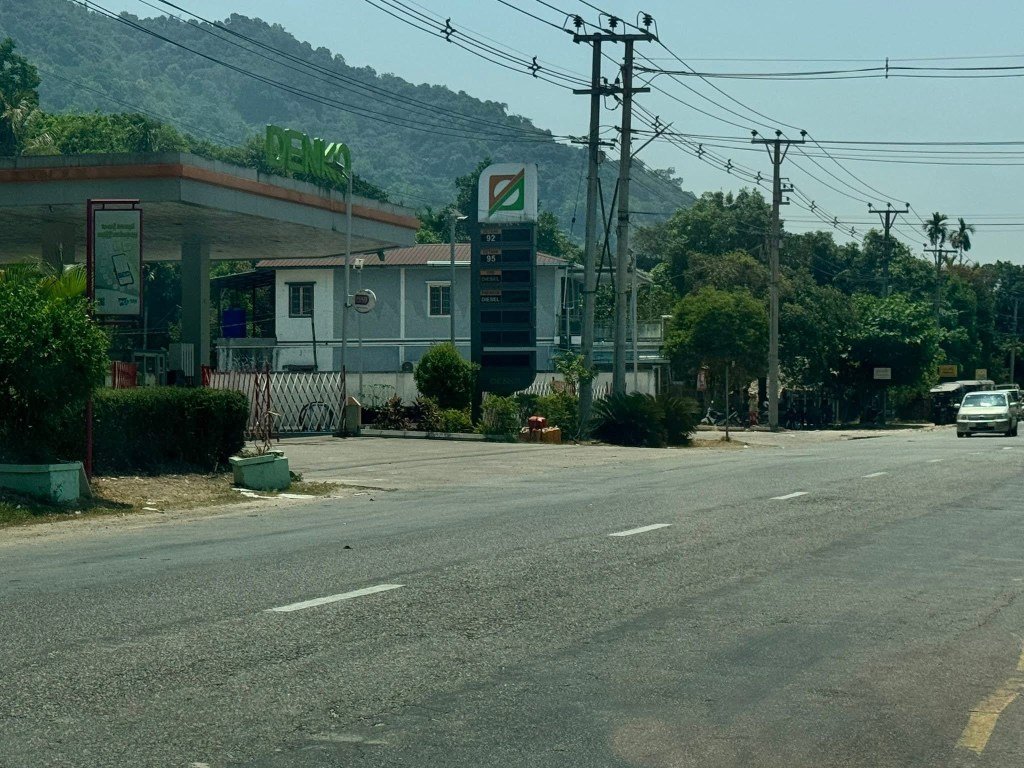
“Large stations receive double quotas. If a normal station gets around 8,000 gallons, big stations get about 16,000 gallons. They should sell that fuel to ordinary people. What are they doing with it? They sell for only about half an hour to people waiting in line, and authorities should monitor possible sales outside official channels,” the resident said.
Fuel stations authorized by the Petroleum Products Regulatory Department to sell fuel to farmers with recommendation letters are also reportedly closed, forcing agricultural activities to halt.
In Mawlamyine and surrounding areas, gasoline is being sold on the informal market at around 20,000 kyats per liter. A local resident suggested that some of this fuel may originate from major stations through illegal channels.
“They say fuel is out of stock, but they likely still have reserves. They prioritize the black market. At night, they connect with buyers and sell. They keep the fuel themselves, don’t open daily, and even when they open, it’s only briefly. If they open today, they close again the next day,” the resident said.
Farmers also reported that even when they present official recommendations from relevant township or village authorities, station staff refuse to sell fuel unless a vehicle is present, effectively denying access.
In Mon State, the black market for fuel is gradually expanding. Fuel obtained through vehicles with red licenses—officially permitted to purchase fuel daily—is reportedly being resold instead of used for transportation.
Although the military junta has issued various directives urging fuel conservation, there has been little effective oversight of fuel stations that remain closed on the ground.