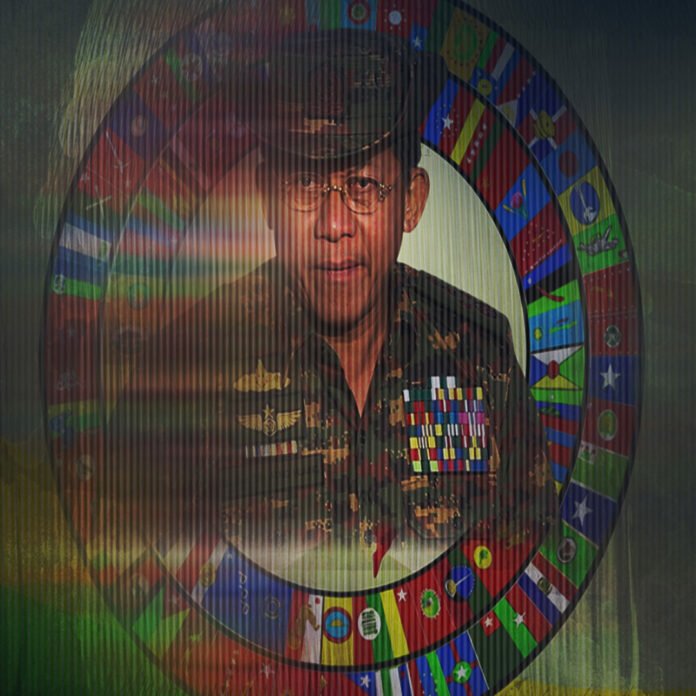
In the post-election period, before a new government can take office, Myanmar has witnessed a series of legal amendments and decrees designed to ensure continued influence of military leaders over the country’s politics.
Although the international community and the public may perceive Myanmar as a civilian-led democracy following elections, the personal ambitions of military chiefs remain insatiable.
The authority of the legislature—comprising the Pyithu Hluttaw and the Amyotha Hluttaw, where winning political parties would ordinarily exercise power—has been significantly reduced, as the military continues to enact laws that centralize final decision-making under military command.
According to the results of the 2025–2026 election held by the military, across all three parliamentary chambers, the Union Solidarity and Development Party (USDP) won 739 seats; the National Unity Party secured 68 seats; the Shan and Ethnic Democratic Party won 39 seats; the People’s Party obtained 30 seats; the People’s Pioneer Party gained 20 seats; the Pa-O National Organization won 18 seats; and the Mon Unity Party (MUP) secured 17 seats respectively.
With the USDP—the party formed and led by former military chiefs—winning the majority, the government and the military are effectively operating as a single entity.
However, the role of smaller political parties that managed to win limited seats remains uncertain.
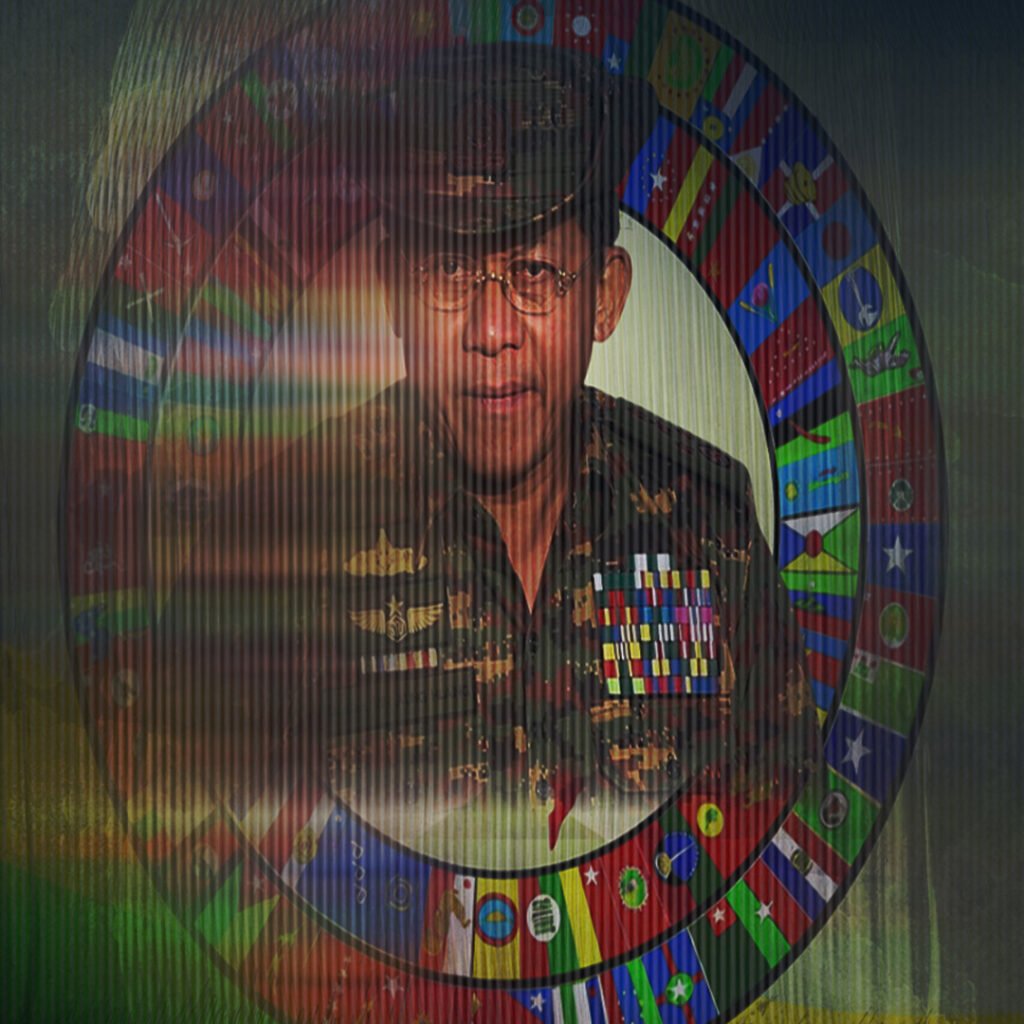
Ko Htin Kyaw Aye, founder of the election observer group called Spring Sprouts, commented, “We can clearly see the military’s central role now, especially with the Union Advisory Council Law. The council has been given broad powers, so the government that emerges after the election will not be a democratically accountable one. Instead, councils will continue to sit above the government, much like before. True checks and balances will be limited, particularly because the military group still dominates decision-making.”
On February 3rd, the military issued the Union Advisory Council Law, granting the council advisory authority over the government’s security, judiciary, peace, legislation, and foreign affairs portfolios. Rumors within military circles suggest that the council is intended either for Commander-in-Chief Min Aung Hlaing or for retired senior generals.
The military also amended the “Constitutional Tribunal of the Union Law” which governs the nation’s highest judicial body responsible for reviewing the constitutionality of laws. Previously, the court’s chairperson was elected by the president along with parliamentary speakers; now, the president alone appoints the chair, and the requirement to report proceedings to parliamentary speakers has been removed. Additionally, the court’s decisions, once considered final, are now automatically binding across government ministries, and the legislature can no longer amend, supplement, or annul them.
Observers say these legal changes severely limit the political influence of parties entering parliament. Ko Htin Kyaw Aye explained, “Those who win seats will have some presence in parliament—they can ask questions and submit proposals—but they will not wield real political power. Their role will be largely symbolic, and any attempts to challenge or influence decisions will likely be blocked.”
Prior to the election, the Mon Unity Party (MUP) presented a 25-point agenda outlining their proactive involvement in political, economic, educational, health, agricultural, and energy development; ethnic affairs; environmental conservation; women’s issues; drug awareness education; youth affairs; international relations; and global matters.
Dr. Banyar Aung Moe, a Central Executive Committee member of the Mon Unity Party (MUP), stated, “Parliament is for the people. If they accept our proposals, they will succeed; if not, they won’t. We can only work within the limits allowed by the legislature and local authorities.”
Dr. Banyar Aung Moe, who began his political career in 2021 following the military takeover, initially served as a member of the military council and later continued as a central advisor. However, political analysts say that the newly elected ethnic party MPs are not in a position to effectively oppose decisions and laws enacted by a government aligned with the USDP and the military.
U Than Soe Naing, a political analyst, added that ethnic parties may be limited to implementing regional development projects. “They will likely be able to carry out local development projects, like road construction. Min Aung Hlaing will also support them. The USDP will probably back these kinds of initiatives as well. I think these are the only matters they will be able to handle.”
Analysts conclude that while ethnic parties won elections, their practical political power will be extremely restricted under the current military-influenced structure.