According to political parties and those active in the election, campaigning across Mon State cannot be carried out on-the-ground because the military is closely monitoring campaign speeches and local outreach efforts.
The Union Solidarity and Development Party (USDP), People’s Pioneer Party (PPP), People’s Party (PP), Shan and Nationalities Democratic Party (SNDP), National Unity Party (NUP), Myanmar Farmers’ Development Party (MFDP), Mon Unity Party (MUP), and Pa-O National Development Party (PNDP) will all compete in the upcoming junta-organized election in Mon State.
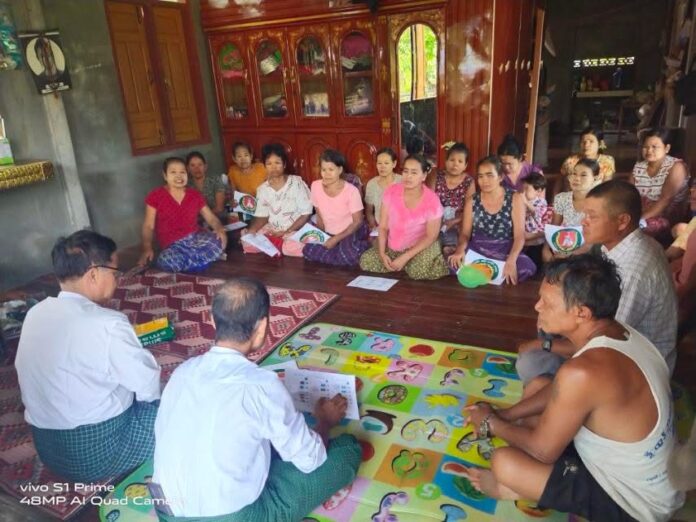
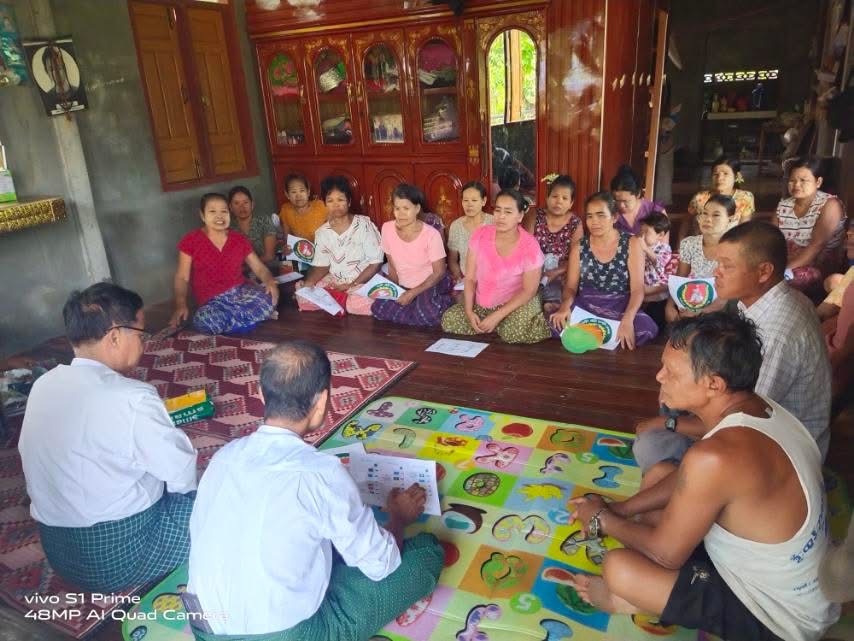
Among these parties, only the Mon Unity Party, the People’s Party, and the Union Solidarity and Development Party have been able to conduct any on-the-ground campaigning. Sources say, the remaining parties have only managed to put up party signboards.
In Paung Township, some political parties are holding daily campaign speeches. However, these events are closely monitored by Special Police (SP), security police forces, and the Bureau of Special Investigation (BSI), making it difficult to freely campaign. A Paung resident noted, the level of surveillance is causing concerns about potential violations of existing electoral laws.
As a result, party candidates reportedly avoid discussing political issues or matters that may conflict with election laws. Instead, they focus on promises related to infrastructure, electricity access, and efforts to reclaim confiscated farmlands.
“Parties go out every day. They can ask people to vote for them, but they don’t dare talk about the weaknesses of other parties or criticize the government. SP follows them. Police provide security. BSI officers tag along and listen. If they say something that does not comply with the law, they’ll be arrested. They keep watching from below the stage. Because the military has cleared the area of PDFs, they can move around,” a local resident said.
He added that when campaigners conduct door-to-door activities, military-led security teams accompany them, making residents anxious and uncomfortable.
Due to these conditions, Mon Unity Party (MUP) candidates, who are competing across Mon State, are mainly relying on online campaigning through Facebook, TikTok, YouTube, Telegram, and other social media platforms. According to someone close to the party, on-the-ground campaigning remains very limited.
“Given the current situation, the MUP is campaigning through individuals rather than formal, party-led mass gatherings. They cannot move around much, so they are campaigning mainly on social media. That’s how the campaign will conclude, and the election will likely end in the same way. The MUP candidates said they will no longer hold the usual village gatherings and public speeches,” said the party-affiliated source.
In Karen State’s Hpa-An and Kawkareik townships, the Mon Development Party, which is contesting the election there, has only been able to erect party signboards in villages and has not been able to conduct ground campaigning.
Recently, the Union Election Commission (UEC) announced that it would review and take action regarding whether U Lwin Myint, a People’s Party parliamentary candidate, violated candidate eligibility rules. He had used the words “revolution” and “Spring Revolution” in a TikTok campaign video.
As the junta-appointed UEC has restricted public gatherings and procession-style campaigning, political parties are now relying mainly on social media platforms for their election outreach.