Analysts warn that the junta may target and pressure citizens who do not vote in what the public is calling its ‘sham election’.
The regime has already arrested people for posting critical election related comments or sharing critical content of the regime online.
According to U Myo Kyaw, spokesperson for the Arakan League for Democracy (ALD), the reason the military-appointed election commission is pressuring the public is to instill fear.
“Even calling it a sham election can get you arrested. If you say you oppose the election, they have harsh legal restrictions and heavy penalties for that. So what we’re seeing is them threatening citizens step by step not to abstain from voting. In some places, we’ve heard that people who do not vote will be recorded and added to lists within their administrative or military conscription systems,” he said.
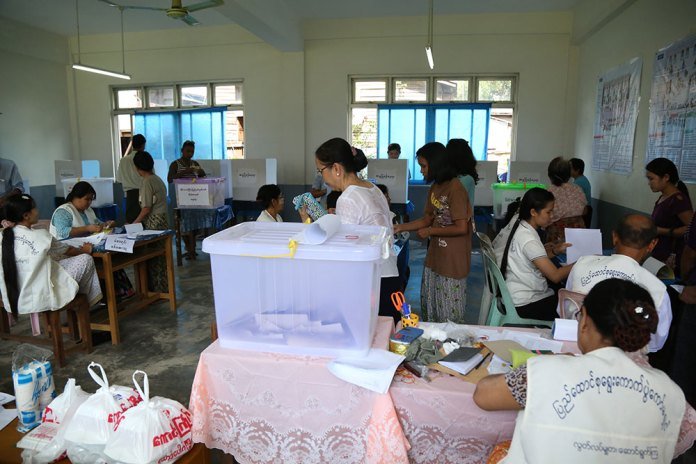
The military-formed Union Election Commission (UEC) has announced that the first phase of the election will be held on December 28th this year in 102 townships. The second phase will take place on January 11th, 2026, in 100 townships, with the remaining townships voting two weeks later under Phase 2.
A Mon youth from Chaungzon Township said the regime may intensify pressure to ensure people vote, and that civil servants who fail to vote may face disciplinary action.
“If the military wants to make people vote, they can do anything. For example, they might only process important administrative documents—like national IDs, passports, or household registrations—if people can show proof they voted or show ink on their finger. They may also order ward and village administrators to monitor and list those who don’t vote and label them as anti-state or as supporters of terrorism. For civil servants especially, they may threaten administrative action if they don’t vote. These could be the most effective and likely methods they use,” he said.
According to information from the military-controlled Ministry of Home Affairs, nearly 90 people have already been prosecuted under the law purportedly meant to prevent interference or disruption of the elections signed by the junta leader.
U Myo Kyaw added that citizens who do not vote could be monitored through local ward and village administrators, which may cause difficulties for the public.
“This time, it’s not the old system where you mark with ink or use a stamp. When you enter the polling booth, you will certainly have to vote for one party or another. That’s the only system they allow. You cannot enter and simply leave without voting. They have buttons, and you must press the button with the symbol of some party. Only then can you leave the polling place. They will be monitoring this. Not voting at all—just staying home—is even more certain than spoiling a ballot. But then ward administrators will be watching. So people may face pressures both ways,” he explained.
For Phase 3 of the election, led by the junta, the campaign period began on October 28th and was set for 60 days. Political parties are currently conducting both online and on-the-ground election campaigning.
Meanwhile, various revolutionary groups strongly oppose the staged election, and surveys indicate that a majority of the public also rejects it.